
Which cities should you visit on your trip to Japan?
On my first trip to Japan, I fell in love with it right away and couldn’t wait to go back there. A few years later I took a second trip and saw even more of this wonderful country.
Japanese cities are unique and fascinating. Each has its own character and style.
If you’re planning a visit to Japan and feeling a bit overwhelmed by all the things this amazing country has to offer, this list of top cities will help you decide how to spend your time there.
Updated for 2026
Table of contents
The best cities in Japan for your travel style
The best places to visit in Japan include the most popular cities, like Tokyo and Kyoto, but also smaller cities.
I divided the top cities in Japan into broad categories. Inevitably there are some overlaps, some cities can fall into more than one category, but use the guide to get a general idea about the best cities for your trip.
Best cities for your first trip to Japan
The Golden Route is the classic Tokyo–Kyoto–Osaka corridor that most first-time visitors to Japan follow. It’s a well-connected arc that’s very easy to navigate.
Tokyo
Throughout my whole visit to Tokyo, I never ceased to be impressed by everything from navigation in the city to biorobots.
It seemed to me that I ended up in another Universe, where everything is very logical and conscious.
For me, it’s their awareness that distinguishes Japan from the rest of the world. They do not use anything without a reason, everything makes sense and is logically justified.
The most fun and free entertainment in Tokyo is just walking around the city.
Some of my favorite areas to visit are:
- Ginza – a shopping “luxury” area with Louis Vuitton, Chanel, Dior and other brands.
- Akihabara – cool and vibrant anime district.
- Shibuya – entertainment area with shops and cafes. Attraction to see: Shibuya Pedestrian Crossing.
- Harajuku – Japanese youth fashion and fast food area.
- Shinjuku – skyscrapers district. Attraction to see: Shinjuku Gyoen National Garden.
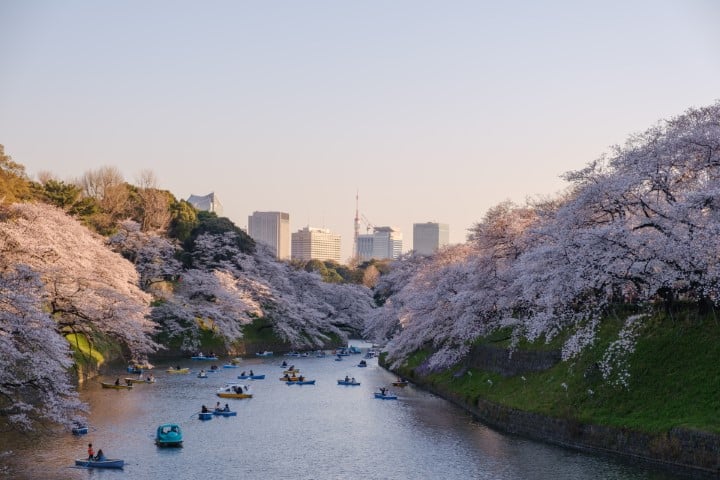
My trip to Tokyo was during the Hanami festival when the Japanese admire blooming sakura.
At this time, all locals fill the parks, meet with friends and family and drink sake under sakura trees.
One of the nice places to admire sakura is near Tokyo Imperial Palace. This palace is the current residence of the imperial family, so it is open for tourists only twice a year – January 2 and December 23.
However, you can easily explore the East Gardens next to it and enjoy sakura if you are planning a trip to Japan in late March or early April.
Some other famous attractions that I love include Tokyo Tower, Meiji Shrine and Ueno Park.
It’s also great to walk around cemeteries in Tokyo: they look almost like parks, but they are not crowded and people are allowed to have picnics there.
By Inna Nedostupenko from the Executive Thrillseeker
Tokyo practical travel tips
Free tours in Tokyo
I took quite a few free walking tours in Tokyo. That’s an excellent way to get to know the city.
These free tours are highly recommended:
Tip your guide at the end of the tour (that’s one of the rare occasions when tipping is OK in Japan).
Alternatively, take a private Tokyo tour which you can customise to your own interests. This is especially useful if you have limited time in this enormous city and want to make the most of your time.
Transport in Tokyo and beyond
The JR Pass covers JR lines within Tokyo like the Yamanote Line, but not the useful Tokyo Metro or Toei subway lines, so the pass doesn’t help much for getting around the city itself. A rechargeable IC card (Suica or Pasmo) is what you’ll actually use day to day.
Where the nationwide JR Pass earns its place is in getting to and from Tokyo. It covers the Narita Express airport link into central Tokyo, which is a meaningful saving on arrival.
If Tokyo is your starting point for a wider Japan trip, heading to Kyoto, Hiroshima, Kanazawa, Sendai, then the Shinkansen journeys out of the city are where the value adds up.
Browse more Tokyo guides
The best areas to stay in Tokyo
Since Tokyo is huge, the neighbourhood you book your hotel in is important.
As a general rule, staying within easy reach of a Yamanote Line station is very useful.
Shinjuku is the most popular choice for first-time visitors. Central, connected, with an enormous range of restaurants, shops and things to do within walking distance.
It’s busy and can feel overwhelming, but that energy is part of the experience.
Shibuya is a similar energy with a younger, more fashion-forward crowd and easy access to Harajuku and Meiji Shrine.
Both of these are busy and touristy, so if you’re after a quieter district, Asakusa has a quieter atmosphere once you’re away from the popular temple zone.
Kyoto
Kyoto is one of the most popular tourist destinations in Japan and for good reason. Kyoto represents the historic roots of Japan, having once been the capital of Japan for over one thousand years!
There are over 1600 shrines and temples in Kyoto, ranging from the major complexes to small ones on the street as you walk by.
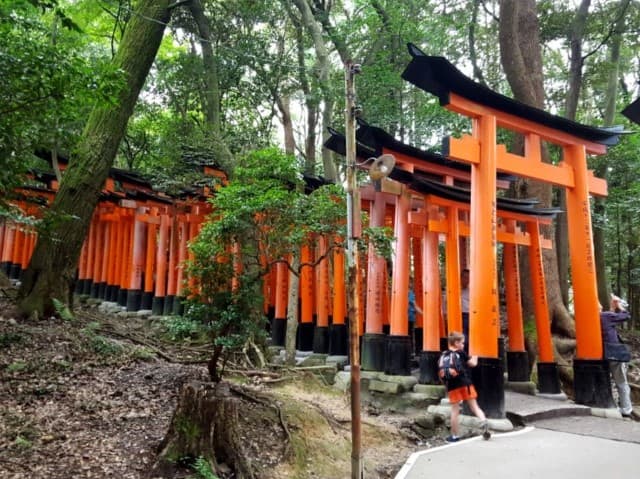
Some of our favourite locations to visit in Kyoto include Nishiki Market, Arashiyama Bamboo Grove and Tenryuji Temple, the famous Torii Gates at Fushimi Inari Temple and wandering around the traditional Gion area, hoping to spot a Geisha!
We also enjoyed seeing Kinkakuji, the famous Golden Pavilion as it is truly spectacular.
There are many more areas to explore in Kyoto including many unexpected discoveries around every corner.
We also enjoyed so many people walking around dressed in their traditional kimonos. Gion is a great area where you can rent your own kimono for a few hours.
By Anne from Pretraveller
Kyoto practical travel tips
Things to do in Kyoto
I took these free tours in Kyoto just after arriving in the city for a great introduction to its history and lifestyle.
Tip the guide at the end of the tour as much as you think it’s worth.
Alternatively, take a private tour in Kyoto. It’s the time-efficient option that covers all the highlights, with plenty of photo ops.
I also enjoyed some cultural experiences in Kyoto, like local crafts and Japanese music. I highly recommend you take the opportunity to get a taste of the local cultures while you’re there.
The Japanese tea ceremony is also one of the best attractions in Kyoto. It’s calm and fascinating, with explanations in English.
How to get around Kyoto and the region
For getting around Kyoto itself, use an IC card for day-to-day transport. The city’s main sightseeing areas are served by buses, a limited subway network, and private rail lines. These aren’t covered by the JR Pass.
For a Kansai-focused trip based in Kyoto with day trips to Osaka, Nara, Kobe and Himeji, the JR Kansai Area Pass is the more cost-effective option.
If you want to extend your reach to places like Okayama or Kinosaki Onsen, the JR Kansai Wide Area Pass covers those routes across five consecutive days.
The nationwide JR Pass makes sense for Kyoto visitors who are doing a longer Japan loop (Tokyo, Kyoto, Hiroshima, and further afield).
The best areas to stay in Kyoto
Downtown Kyoto (around Shijo and Kawaramachi) is the most practical base for most visitors, within walking distance of restaurants, shops, bars, and public transport. It’s close enough to the main sightseeing areas to walk or take a short bus ride.
Gion is close to the temples and shrines. It’s the most atmospheric choice but also the most expensive and busiest during the day.
Kyoto Station is convenient for early trains and budget accommodation, but lacks neighbourhood character.
Arashiyama, to the west, suits nature lovers and couples after a more scenic, slower-paced base, though getting to the rest of the city takes a bit more planning.
My practical tips: Book early, Kyoto is very popular with tourists.
Osaka
The second biggest city in Japan, located on the island of Honshu, is worth a visit on a trip around Japan.
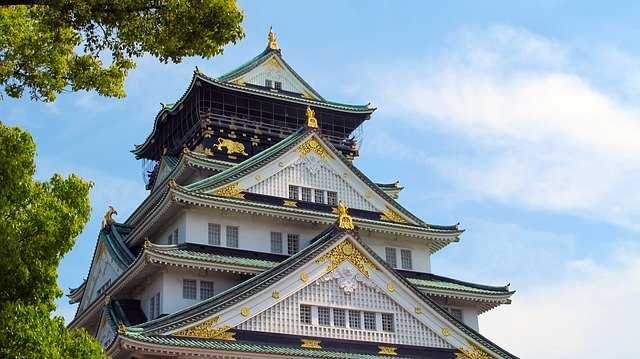
Osaka is famous for its ancient castle. It is surrounded by a lovely park. The castle has been reconstructed and offers a museum with historical exhibitions.
You may also want to see one of Japan’s oldest Buddhist temples (some say it was the first ever) – Shitennoji. Visit it for the beautiful architecture and the nearby park.
You can plan your visit to coincide with the Shitennoji Flea Market and go browsing for some Japanese antiques.
Another interesting attraction in Osaka is the Osaka Museum of Housing and Living, which features model houses, shops and other buildings from the late Edo Period, so you can step back in time and see how people used to live.
In the evening, the place to hang out in Osaka is Dotonbori. That’s where you go out to for bars, cafes, good vibes and neon lights.
Osaka practical travel tips
For getting around Osaka, use an IC card on the city’s excellent Midosuji subway line that connects all the key areas.
If you’re planning day trips around the Kansai region from Osaka, the JR Kansai Area Pass becomes handy. JR services from Osaka Station connect to the most popular destinations of Kyoto, Kobe, and Nara.
The JR Kansai Wide Area Pass covers even more destinations.
The best areas to stay in Osaka
Minami (Namba/Dotonbori) is the livelier, louder choice with neon signs, street food, izakayas, late-night energy.
It’s a major transport hub where JR, Nankai, and Kintetsu lines converge. This is where most first-time visitors gravitate.
Kita (Umeda) is the slightly calmer, more business-oriented counterpart to the north, with excellent transport connections including Osaka JR Station, making it the better base if you’re planning a lot of day trips across Kansai.
Honmachi sits between the two and is quieter, slightly cheaper, still well connected via the Midosuji line, and walkable to both areas.
Cities you can easily add to your first trip
In this category I included some cities in Japan that you can easily add to your first visit of the Golden Route if you have some extra time.
These are all easy day trips with short train rides from Kyoto / Osaka / Tokyo, so you can see more of the top cities in Japan without changing hotels.
If you have even more time, it’s a good idea to stay a night or two in any of these cities instead of taking a day trip, so you can see and experience more.
Kobe
One of Japan’s most cosmopolitan cities, shaped by centuries of international trade.
You’ll notice the influences in the architecture ,the food, and the harbour atmosphere that feels quite unlike anywhere else in the country.
Best for food lovers, couples, first timers who have time for a day trip from Osaka, second timers wanting a place that’s walkable and less busy.
One to two days are enough to see Kobe, or you can see it on a day trip from Osaka (30 minutes by train).
The top attractions in Kobe include
- Kitano-cho: hillside neighbourhood of well-preserved Western-style residences from the Meiji era.
- Meriken Park & port area: iconic waterfront with the Kobe Port Tower and good evening atmosphere.
- Nada sake district: several major breweries open to visitors, many with free tastings.
- Arima Onsen: one of Japan’s oldest hot spring towns, a short ride into the mountains above the city.
The best time to visit Kobe is in the spring (March to May) for mild weather and cherry blossom along the waterfront. Autumn is equally lovely. Avoid August as it’s hot and humid.
The JR Kansai Area Pass covers Kobe alongside Osaka, Kyoto, Nara and Himeji. The nationwide JR Pass covers the JR lines into Kobe (Sannomiya station), so it’s usable but Kobe alone wouldn’t justify the cost. For travel purely within Kansai, an IC card may be more economical than a pass, since the cities are close to each other.
The best areas to stay in Kobe are:
- Sannomiya (central, best transport links).
- Kitano (quieter, charming, walkable to the foreign residences).
- Harborland for waterfront views.
- Browse Kobe hotels
Nara
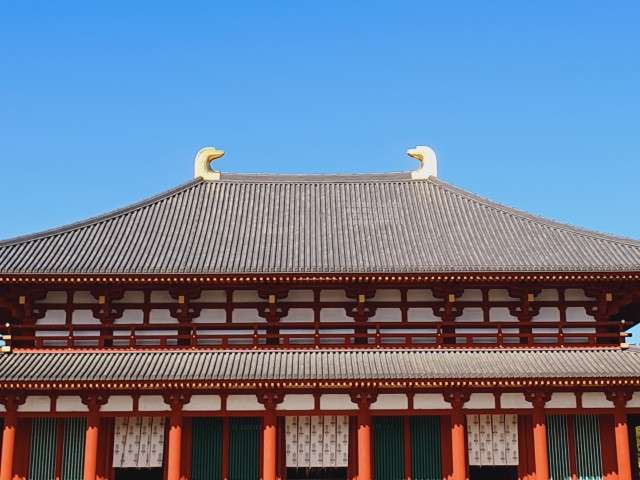
Nara was Japan’s first permanent capital and it shows: the temples here are staggering in scale, and the city has held onto its ancient character.
It’s walkable and very easy to get around.
Nara is best for history lovers, architecture enthusiasts, and anyone doing a Kansai loop. Very family friendly. Less ideal if you’re after nightlife or urban energy.
You can easily see it as a day trip from Kyoto (45 minutes) or Osaka (50 minutes) as I did. If you stay for one night, you’ll be able to see more and experience it after the crowds thin out.
The top attractions in Nara include
- Nara Park: vast parkland connecting the main temples and shrines, where deer roam freely (more on that below).
- Todai-ji Temple: one of the world’s largest wooden buildings, housing a colossal 15-metre bronze Buddha.
- Kasuga Taisha Shrine: a Shinto shrine complex surrounded by ancient forest, famous for its hundreds of stone and bronze lanterns.
The best time to visit Nara is the spring for cherry blossom, autumn for foliage and the dramatic deer rutting season. Avoid summer weekends, as it gets very crowded and hot.
A note on the deer: I didn’t see any mistreatment of the deer in Nara, but it’s complicated. The deer population reached a record number recently, coinciding with increased tourism. There have been reports of deer being malnourished and kept in poor conditions at the shelter, and the government expanded the culling zone, allowing more deer to be killed if they stray.
It is entirely possible to spend a full day exploring the temples, grounds and museums without interacting with the deer at all and that’s a perfectly valid way to visit.
The JR Pass can be useful in Nara. The nationwide JR Pass and regional passes like the Kansai Area Pass and Kansai Wide Area Pass all cover JR trains into Nara. On its own, Nara wouldn’t justify pass cost, but as part of a wider Kansai itinerary it can save you money.
Best area to stay in Nara
If you do stay overnight, pick a hotel in Nara in the area around Sanjo-dori or Naramachi that puts you close to the temples and away from the station.
Nagoya
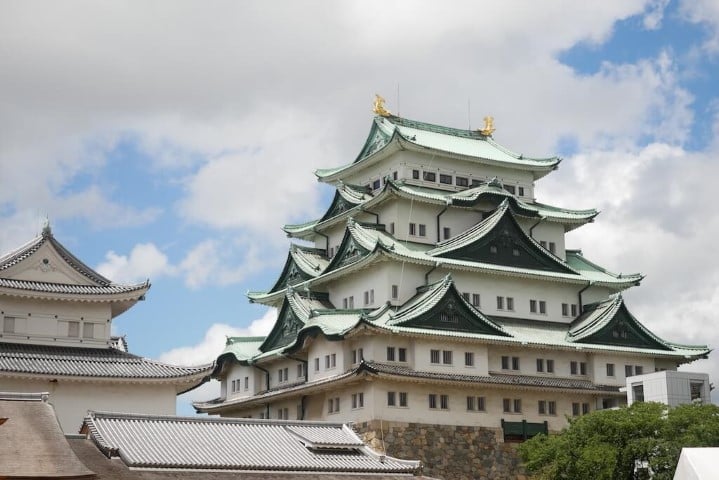
Nagoya is the third largest city in Japan after Tokyo and Osaka, but unlike its bigger brothers to the west and east, Nagoya is not a top tourist destination and is often skipped over. But it really shouldn’t be.
Nagoya has a lot to offer tourists, first of which is a far less crowded experience.
Especially if you are planning a visit during spring or fall, a visit to Nagoya is a great alternative to get away from the crowds and still see beautiful cherry blossoms or autumn leaves at the many parks and gardens in the city.
The top tourist spots in Nagoya are Nagoya Castle, which is one of the best castles to visit in Japan because of the newly reconstructed Honmaru Palace.
A one-story wooden structure that used to be the elaborate living quarters of the lords of Nagoya.
Other destinations include Atsuta Jingu, the second most important Shinto shrine in Japan, and Osu district, a roofed-over shopping street with lots of second-hand shops and great street food.
Head to Yamamotoya Okute to have vegan Miso Nikomi Udon, an Udon noodle dish made with red miso.
By Lena Yamaguchi from Nagoya Foodie.
Yokohama
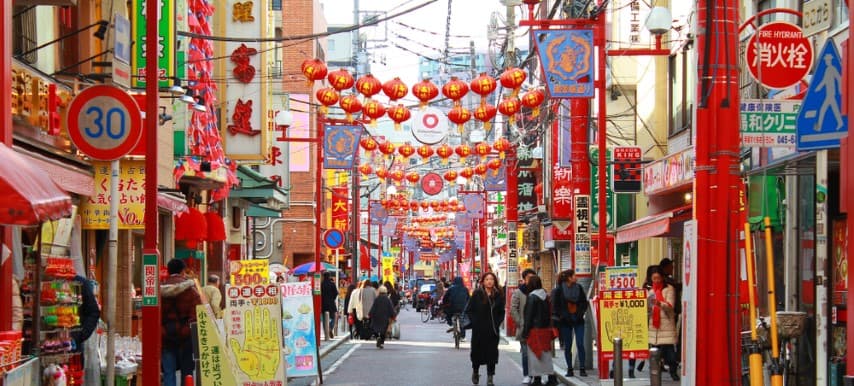
Yokohama is one of the best cities to visit in Japan, and also makes for a surprisingly great day trip from Tokyo.
Getting to Yokohama will take about 45 minutes, either by the JR Tokaido line or the Tokyu Toyoko Line.
Aim to get there in the morning, preferably after a nice breakfast, to avoid crowds on the train.
Then, walk off your breakfast by strolling down Motomachi shopping street, Yokohama’s multicultural area, for some cute souvenirs and trinkets!
Or, if you are more into nature, Yamashita Park is also nearby and has beautiful landscaping. If you manage to visit Japan during the cherry blossom season, you can find the perfect viewing spot at Mitsuike-Koen, a lake surrounded by over 1,600 cherry blossom trees!
For lunch, head over to gorge yourself at Shin-Yokohama Raumen Museum in Yokohama, the world’s first foodie amusement park featuring ramen!
At this food court of sorts, you can try regionally crafted ramen from all over Japan, represented by nine famous restaurants from different regions of the country.
And all in one convenient location! Plus, there is a variety of vegan options, including vegan ramen dishes! For more shopping, head over to Yokohama’s Chinatown.
Not only are there fun unique shops, but also some of the best photo opportunities in the city!
But you can’t leave Yokohama without visiting the Cup Noodles Museum. You’ll learn the history of instant noodles as well as make your OWN flavour, including vegan flavours.
Before you hop on your train back to Tokyo, swing by Cosmoworld, a small theme park that used to have the highest Ferris wheel in Japan. It’s a fun way to end the day!
By Kay from The Awkward Traveller
Best cities in Japan for history lovers
The Japanese cities in this group are great for history buffs.
Kanazawa
Kanazawa is what you hope to find in an authentic Japanese city.
It escaped wartime bombing, so you’ll be walking through its old, preserved streets.
It developed as a powerful castle town under the Maeda clan, and that history left behind wealth, craft traditions and a distinct identity that still shows up today in local crafts: ceramics, lacquerware and gold leaf.
Kanazawa is best for history lovers, and anyone interested in traditional Japanese crafts.
How long to stay in Kanazawa? About three days. The historical centre is relatively small, so most travellers cover the highlights comfortably in that time. It has some interesting museums that you can see with a 3-day pass (or a 1-day pass but that would be rushed).
Top attractions in Kanazawa
- Kenroku-en Garden: one of Japan’s three great gardens, built and maintained by the Maeda clan, and opened to the public in 1874.
- Higashi Chaya district: the largest and best-preserved of the city’s three geisha districts, with wooden teahouses dating to the early 19th century.
- Nagamachi: arguably the best-preserved samurai district in Japan, with earthen walls, narrow lanes, and a strong sense of old Kanazawa.
- Omicho Market: the city’s covered food market.
- 21st Century Museum of Contemporary Art: a striking circular building with a cutting-edge art collection.
The best time to visit Kanazawa is in spring for cherry blossom, autumn for gorgeous foliage, or winter if you like snow.
Bonus tip: During the first weekend in June when the city’s massive Hyakumangoku Festival fills the streets with a four-hour parade.
Transport to Kanazawa and beyond
The JR Pass is useful for fast travel between Kanazawa and Tokyo. The Hokuriku Shinkansen connects Tokyo to Kanazawa in around 2.5 hours, and is covered by the nationwide JR Pass.
For regional passes, there are two strong options depending on your base. The JR Hokuriku Area Pass gives four consecutive days of unlimited travel around Kanazawa, Kaga Onsen, Fukui and surroundings.
The JR Kansai-Hokuriku Area Pass gives seven days covering both the Kansai region and Hokuriku. That’s the better choice if you’re combining Kanazawa with Kyoto or Osaka.
Coming from Tokyo and planning a one-way arc rather than a round trip, the Hokuriku Arch Pass covers travel between Tokyo and Osaka/Kyoto via Kanazawa on the Hokuriku Shinkansen, though check whether it works out cheaper than individual tickets for your specific route.
The best areas to stay in Kanazawa:
- The Korinbo and Omicho Market area puts you within walking distance of almost everything.
- The Higashi Chaya district is the most atmospheric option if you want to stay in a ryokan and wake up in the old town.
- The station area has the widest choice of hotels and is convenient for early trains.
Hiroshima
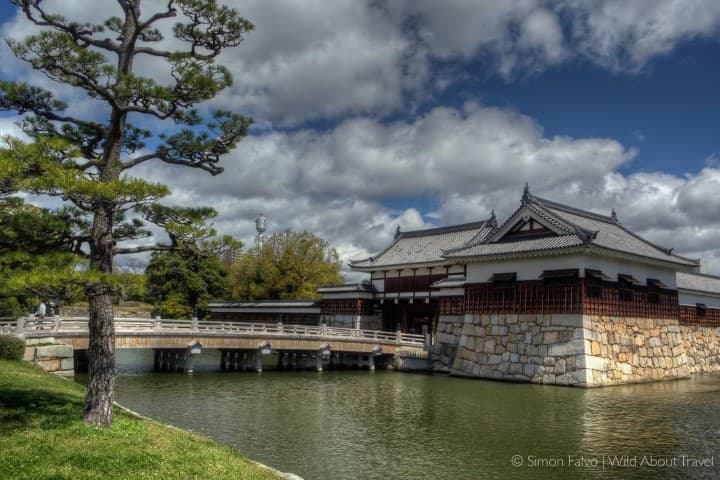
Everyone has heard about Hiroshima, the city which endured the first atomic bomb attack at the end of World War II.
However, not all the people visiting Japan include Hiroshima in their itinerary. Most of the time, because of its dark past.
The truth is that Hiroshima is undoubtedly worth spending one or two days, and for many reasons.
The obvious one is to visit the War Memorial Park, the area encompassing several monuments commemorating one of the most terrible events of the 20th century.
If you have limited time, there are three landmarks you shouldn’t miss. The A-Bomb Dome, with its fascinating skeletal structure, is one of the few buildings near the explosion’s focus, which remained partly intact.
Declared a UNESCO World Heritage Site in 1996, the A-Bomb Dome has become a symbol of one of the most destructive events in history.
The Peace Memorial Museum is a must-see to get a better understanding of the historical background which led to the terrible attack with the atomic bomb.
Last but by no means least comes the Hall of Remembrance, a unique place designed for contemplation and where you can also learn about some of the civilians who perished under the bombings.
But Hiroshima is much more than the symbol of a gruesome past.
It’s a modern city, rebuilt with taste, which has a lively and positive vibe. And the best way to enjoy the city is wandering around, without aim, trying to catch what makes it so special.
If you have the chance to visit in Spring, during the cherry blossom season, don’t miss a walk along the banks of the Ota River in the late afternoon.
Besides the breathtaking sakura – the cherry trees – in full bloom, you’ll get a taste of how locals celebrate Hanami, enjoying the fleeting beauty of nature by gathering in outdoor parties.
In any case, whatever the season, Hiroshima is one of the places one should visit at least once in their lives. If only for its historical significance.
By Simon Falvo from Wild About Travel
Hiroshima practical travel tips
Guided tours in Hiroshima
Transport tips
The JR Kansai–Hiroshima Area Pass covers unlimited travel on JR lines connecting Osaka, Kyoto, Kobe, Nara, Himeji and Hiroshima, including the fast Shinkansen from Osaka and the ferry to Miyajima Island.
You can also see Hiroshima & Miyajima on a one day bus tour.
The best areas to stay in Hiroshima
The city is compact and easy to navigate.
The area around Hiroshima Station is the most convenient for transport.
Nagarekawa, the city’s main entertainment and dining district, is a few tram stops west and worth being close to for evenings.
Nikko
This small city of fewer than 100,000 inhabitants makes a great escape from the much larger cities in Japan like Tokyo and Osaka.
It can even be visited as a day trip from Tokyo, although it’s best to spend at least one night here.
That way, you can avoid the crowds at the more popular sights by arriving first thing in the morning before the daytrippers get there.
The most popular of the various temples and shrines in Nikko is the Tosho-gu Shrine, the mausoleum of the powerful shogun Tokugawa Ieyasu.
Whereas most Japanese architecture is rather minimalist and understated, this shrine is quite boisterously decorated.
In some ways, it resembles a Rococo Italian church more than a Japanese shrine!
Another popular spot in Nikko is the Shinkyo Bridge, a small red footbridge that’s highly regarded as one of the most beautiful bridges in the country.
A more off-the-beaten-track attraction is the five-kilometer walking trail that leads to the Takino-o shrine.
This old pilgrim’s path is a little taster of what it’s like to walk the famous Kumano Kodo pilgrimage trail.
By Wendy Werneth of The Nomadic Vegan
Best cities in Japan for digital nomads and slow travel
In this category you’ll find the best destinations in Japan for long stays, whether you’re a digital nomad or just love slow travel.
Fukuoka
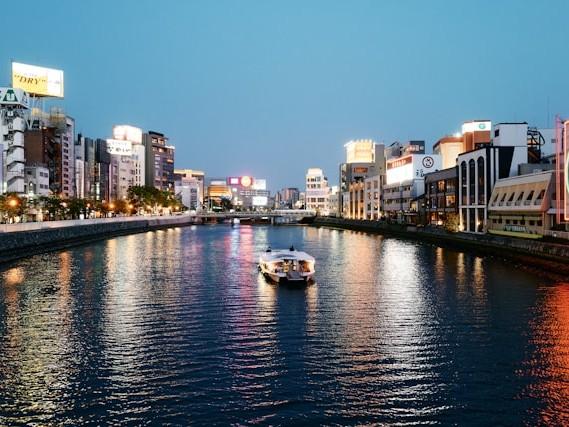
Fukuoka has a population of around 1.5 million but feels calm and manageable. It’s walkable, friendly, and liveable unlike some more hectic places in Japan.
Add to that great food, a real startup culture, beaches within reach, and an airport 10 minutes from the city centre, and it’s easy to see why it attracts people.
You can also reach Fukuoka by ferries from South Korea (Busan).
Fukuoka is best for slow travellers, digital nomads, remote workers, and anyone who wants a less intense experience of Japan.
How long to stay in Fukuoka? A week minimum to settle in; a month is better as a base camp.
Top attractions in Fukuoka:
- Hakata old town: the historic heart of the city, with Kushida Shrine and the Kawabata shopping arcade.
- Ohori Park: a large landscaped park built around a lake — great for morning runs and people-watching.
- Ainoshima Cat Island: a popular day trip from Fukuoka.
- Yanagibashi Rengo market: a compact, lively food market known locally as “Fukuoka’s kitchen”.
- Canal City Hakata: an unexpectedly interesting indoor complex with canals, shops, and regular events.
- Dazaifu Tenmangu: a major Shinto shrine 45 minutes away by train.
To get to know the city, you can take a guided tour with a local guide. It’s a private tour that the guide can customise according to your own interests.
The best time to visit is spring (March–May) and autumn (October–November). Summers are too hot and humid.
Bonus tip Colive Fukuoka, an annual digital nomad gathering, takes place each October, bringing together nomads, entrepreneurs, and creatives for a full month of co-living, events and cultural experiences.
The JR Pass is useful if Fukuoka is part of a wider Japan trip. The nationwide JR Pass covers the Sanyo Shinkansen into Hakata station, making it easy to arrive from Hiroshima or Osaka.
For exploring Kyushu itself, the JR Kyushu Rail Pass offers unlimited travel on JR Kyushu trains including the Kyushu Shinkansen, in All Kyushu, Northern Kyushu, or Southern Kyushu versions.
For getting around within Fukuoka city itself, the subway isn’t covered by any JR pass, use an IC card.
The best areas to stay in Fukuoka:
- Tenjin for central access and a buzzy neighbourhood feel
- Hakata for transport links and business hotels
- Daimyo for independent cafes, vintage shops, and a younger crowd.
Sendai
Sendai is sumiyasui, meaning comfortable to live in.
The capital of the Tohoku region is big enough to have a university city energy, but calm enough to fit a slow travel style.
It’s also a gateway to one of Japan’s most beautiful regions, with mountains, hot springs, and extraordinary coastline all within striking distance.
Sendai is best for slow travellers, remote workers, and anyone wanting a genuine Japanese city experience that’s less touristy.
It’s known for friendly locals, a safe environment, and a high quality of life .
How long to stay in Sendai? Two days if you’re passing through. A week or more if you’re using it as a base for travelling in Tohoku. As a slow travel stay or a digital nomad, a month here would be comfortable.
Top things to do in Sendai
- Jozenji-dori Avenue: a wide, zelkova-lined boulevard that forms the cultural spine of the city, with galleries, cafes, and seasonal illuminations.
- Aoba Castle ruins: the hilltop site of Masamune’s original fortress, now a park with sweeping city views and a small museum.
- Matsushima Bay: one of Japan’s three most scenic views, about 30 minutes by train from Sendai.
- Zuihoden Mausoleum: the ornate Momoyama-style resting place of Date Masamune, Sendai’s founder.
- Nikka Whisky Miyagikyo Distillery: set in a mountain valley, the distillery offers free guided tours and tastings.
What’s the best time to visit Sendai? Sendai enjoys a cooler summer climate than much of Japan, making it a good base for exploring the north during the hot months.
Early August is also when the famous Tanabata festival fills the city decorations.
Autumn foliage in the surrounding hills is excellent from late October.
Bonus tip: Sendai is the gateway to the entire Tohoku region. You can take day trips to the mountain temple of Yamadera, the samurai town of Kakunodate, volcanic Mount Zao, and the Oirase Gorge.
The JR Pass is useful for reaching Sendai from Tokyo: the Tohoku Shinkansen connects Sendai to Tokyo in around 90 minutes, and is covered by the nationwide JR Pass.
For a dedicated Tohoku trip, the JR East Pass is the regional option to look at. It offers unlimited travel on JR trains across Tohoku but check what’s covered before booking.
Best areas to stay in Sendai
- The area around Sendai Station is convenient for transport and has a wide range of hotels.
- Ichibancho and the Jozenji-dori area are more characterful for longer stays, walkable, lively in the evenings, and close to the city’s better cafes and restaurants.
- For a slower pace, the Akiu Onsen area in the hills to the southwest is worth considering for a night or two mid-stay.
Best cities in Japan for nature
The best cities to visit in Japan for landscapes, fresh air, and ski resorts.
Sapporo
Located on Japan’s northernmost island, Hokkaido, the underrated city of Sapporo has plenty of things that can keep you busy for weeks such as incredible restaurants, a plethora of malls and an exciting nightlife.
As the island’s largest city and a hub of cultural activity, Sapporo is often referred to as the “Wild West of Japan” and is one of Japan’s best cities to visit.
Sapporo is a laid-back city, which is also famous as the jumping-off point for exploring more of Hokkaido, particularly the Mount Moiwa Ski Resort, a popular winter destination since 1972.
Sapporo is generally a friendly and laid-back destination and is sometimes simply treated as a stopover before people head out to mountains or hot springs.
Wide, tree-lined boulevards, similar to Paris, crisscross the city, making it very pedestrian-friendly and also a pretty fascinating city to stay for at least a few days.
Sapporo is also the home of the most popular beer producers in Japan of the same name.
The Sapporo Beer Museum showcases the history of beer brewing in Japan and you don’t want to miss it.
Over the winter, the city’s attractive downtown area, the center of which is Odori Park is lit up for winter illumination.
Each February, the city hosts the marvellous Sapporo Snow Festival where hand-made snow and ice sculptures come alive.
There are a number of beaches dotted around the city, making it possible for travellers to enjoy smooth sand, unwind and escape hot and humid summer days.
Just a 90-minute flight from Tokyo, the city of Sapporo is definitely worth a visit.
By Ivan from Mind The Travel
Niigata
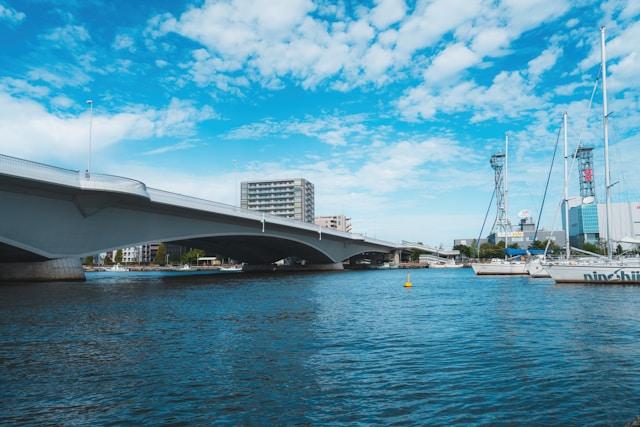
Niigata might not be as pretty as the likes of Kyoto and Kanazawa, but this port city has a lot to offer and it’s only two hours from Tokyo by shinkansen.
Niigata is in an area famous for producing quality rice and it is, therefore, a great place to try Japanese sake.
You can learn about how sake is made during a free tour (the tour is in Japanese but there are leaflets and signs in English) at Imayo Tsukasa brewery.
To continue your sake adventure, you can head to Ponshukan in Niigata train station and trade 500 yen for 5 coins which can be used in any of the sake “vending machines.”
If sake isn’t your thing, visit historic Saitō Villa where you can sip matcha in one of the traditional tatami rooms.
For a unique shopping experience, take a stroll down Nuttari Terrace Street, a renovated area that is now home to independent shops and cafes.
I recommend Aotogama for stylish ceramics and Tsumugu Coffee for a laid-back coffee break.
I thoroughly enjoyed getting off the usual tourist trail and exploring Niigata and think it is well worth adding to your Japan itinerary!
By Shannon from Dessert Highway
Subtropical Japan
Naha
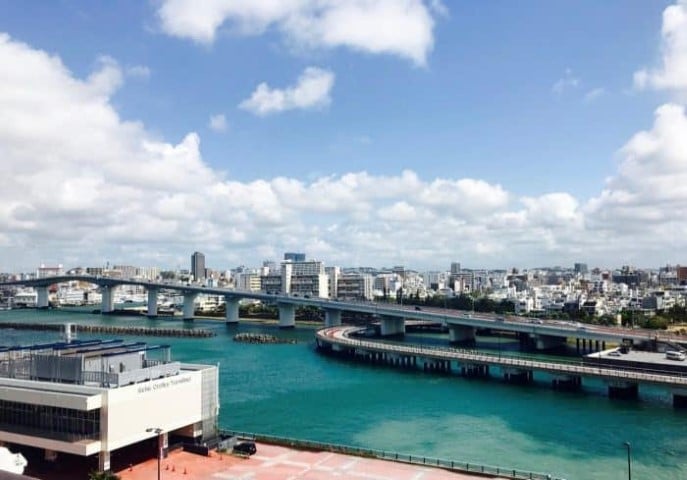
If you love beaches, authentic local cuisine and culture then the city of Naha in Okinawa should be at the top of your Japan bucket list.
Once the stronghold of the Ryukyu Dynasty, this port city — that’s now the capital of the island of Okinawa-Honto — is filled with enticing attractions.
The top things to do in Naha include enjoying the nightlife in lively restaurants, nightclubs and bars along Kokusai-dori Street, browsing the historic ceramic pottery workshops and visiting Zuisen Distillery where they produce awamori, a distilled rice spirit that dates to the 15th century.
Major sights for visitors to see include Naminoue Shrine, Naminoue Beach and Shuri Castle, a UNESCO World Heritage Site that served as the palace of the Ryukyu kingdom between 1429 and 1879.
Destroyed in WWII and rebuilt only to be damaged again by fire in 2019 it is the symbolic heart of the Ryukyu island archipelago.
Okinawa is distinctly different from other regions of Japan so foodies will want to explore its most famous dishes including the addictive umi-budo seaweed snack.
By Michele Peterson from A Taste for Travel
Using rail passes in Japan: what you need to know
I included some tips in this guide about using rail passes. Japan’s train network is brilliant but the ticketing system can feel confusing at first.
The nationwide JR Pass is a single pass that covers almost all bullet trains (Shinkansen) and express trains across the whole country, for a fixed number of days.
It’s sold exclusively to foreign tourists and has to be bought before you arrive in Japan. It makes sense if you’re covering a lot of ground because a few long bullet train journeys will quickly recoup the cost.
If you’re staying in one area, it’ll likely cost more than just buying individual tickets.
Regional passes cover a specific area of the country. They’re the smarter choice if you have a clear base and you’re exploring outward from it rather than crossing the whole country. Some are sold inside Japan; others need to be bought in advance.
Always check what’s covered before you book and compare prices, as these may change from time to time.
Before buying anything, add up what your planned journeys would cost individually and compare.
One practical tip: Seat reservations on Shinkansen are separate from the pass itself.
How to make your Japan trip planning easier
Here are some services that will make your Japan trip planning easier:
- Itinerary planner for Japan
- Japan based virtual assistant for your trip
- Learn essential useful Japanese before you travel to Japan
Browse more Japan travel guides
Pin this guide to the best cities in Japan
16 Comments
🙆🏻♀️ I am planning to visit Japan in June month. Will keep all the tips in mind. Thank you for the awesome post.
Those flower blossoms have to be simply magical. My camera would be snapping non-stop!
Very useful article! I’ve been to Japan but I just visited Tokyo and Osaka. I’d love to go back one day and your article inspired me with visiting some cities I never heard of before.
Having visited Japan on a number of occasions over the years, I’ve stayed in several of the cities you’ve shared. Japan has such a fascinating blend of history and modern life, where ancient traditions sit so naturally alongside the new, and one of the things that makes returning so rewarding.
A lot of my friends recently went to Japan, so I’ve been thinking about going there myself. This is an amazing guide, packed with useful details. I’ll definitely be using this information when planning my trip.
I would love to visit Japan, and Kyoto and Nara are my favourites. Also, I heard amazing things about Fukoka as a digital nomad hub.
I haven’t had the chance to visit Japan yet, but I’m pretty sure my camera would be working overtime to capture the beauty of this country.
Mine certainly did! 😉
This is a great list! We visited Japan last summer and did Tokyo, Kyoto, Osaka, Hakone and Nara! I wish we had time to explore a few more cities like Nikki and Kanazawa!
JAPAN is really a wonderful tourist destination. It is rich of historical attractions and traditions. Theses places worth visting!!
Awww Japan is my most favourite place in the whole world! What a great article, i’ll save this for my next trip over. x
Japan is on my bucketlist! Cannot wait to visit once things go back to normal. Saving this for then
It’s a shame that I’m from Hawaii but haven’t been to Japan! My entire family visited except me so I definitely need to step up my game and make my way there!
Ever since reading Memoirs of a Geisha I’ve been obsessed with Japan, especially Kyoto. Loved this little roundup and really hope I’ll get to visit them all!
These look like awesome cities to explore! I haven’t heard of Nagoya before, but I definitely want to go there for a less crowded cherry blossom experience now!
This is making me miss Japan so much! I can’t wait to go back!