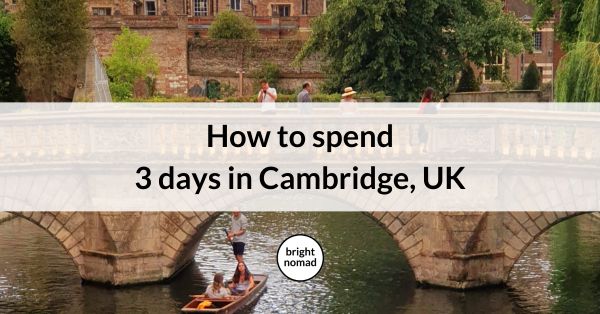
How to spend 3 days in Cambridge?
When you stay in Cambridge for three days you can easily see all the city’s highlights and a bit more.
You’ll have more than enough time to see King’s College Chapel, visit the countryside, take local tours, see some museums, and take leisurely strolls around its charming streets and along the river.
It’s very easy to get around Cambridge on foot and most of the attractions are close to each other, so it’s ideal for a three day city break.
In this guide I share a plan for spending three days in Cambridge, packed with activities and places worth seeing.
Table of contents
Where to stay in Cambridge
Stay in the city centre. Most of Cambridge’s main sights are within easy walking distance from each other in the city centre.
If you’re visiting during the summer months (June–August), book your accommodation well in advance for the best availability.
- Wilde Aparthotels : For a three day stay in Cambridge, a serviced apartment is a good choice. It has an on-site restaurant as well as kitchen facilities. The individually furnished rooms are super stylish.
- Graduate by Hilton Cambridge : A boutique hotel right by the river and close to green spaces. Choose a room with a balcony for the best river views.
What to do in 3 days in Cambridge (TL;DR)
Here’s a quick overview of things to do in Cambridge in three days:
- Cambridge walking tour with a university graduate
- King’s College Chapel
- Fitzwilliam Museum
- The Museum of Cambridge
- Visit Cambridge colleges
- Punting
- Botanic Garden
- Cambridge Market
- Kettle’s Yard
- Visit Grantchester
- Cambridge Ghost Walk
- Evening entertainment
- Public university lectures
My itinerary for three days in Cambridge
Day 1: Getting to know Cambridge
Arriving in Cambridge
Take a train to Cambridge and arrive at Cambridge railway station, which is slightly outside the city centre.
You’ll find bus stops just outside the station, or you can hop in a taxi and go straight to your hotel.
Drop off your luggage and start your first day in Cambridge with a classic tour and a visit to the city’s most beautiful building.
Cambridge tour and King’s College Chapel
Start your visit to Cambridge with a local walking tour to get a feel for the city as soon as you arrive.
By the end of the tour, you’ll have seen the historic colleges in the city centre, the Backs, the Mathematical Bridge, and plenty of other must-see spots around Cambridge.
What made this tour particularly memorable was our guide’s personal connection to the city.
He was a Cambridge University graduate, so naturally, our group was curious about what student life was really like.
He was more than happy to share stories from his own time at the university and answered all of our questions.
Along the way, we visited Cambridge’s best-known sights, learnt about famous people who studied here, and heard a few amusing stories about Cambridge traditions.
It’s a great start for your three days in Cambridge not just because of the fun history lesson but also because it helps you with orientation and you’ll get familiar with the city centre very quickly on this tour.
King’s College Chapel
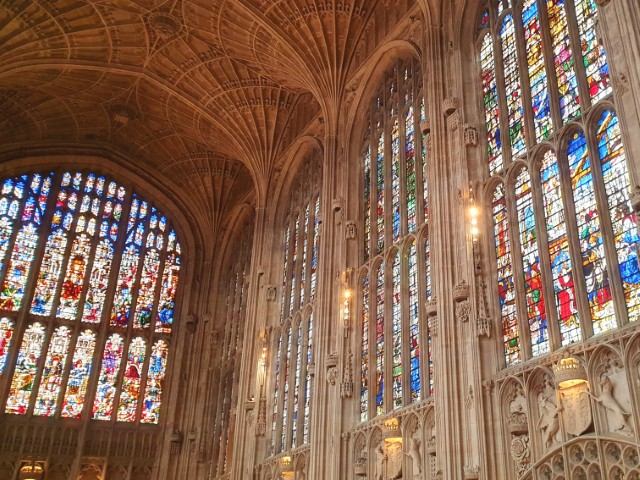
King’s College Chapel is Cambridge’s most iconic sight, and the stunning interior is well worth seeing.
When booking the walking tour, you can add an entry ticket to the chapel for the standard chapel ticket price.
The chapel visit is self-guided after the walking tour.
I really enjoyed exploring the chapel. The first thing I did when I walked in was look up in awe.
It was every bit as impressive as I’d imagined.
The space is enormous, so even though it’s a popular Cambridge attraction, it didn’t feel crowded at all.
If you’re interested in architecture and design, take some time to enjoy the small decorative details in the stained glass, oak screen, and spectacular ceiling.
History lovers should also make time to explore the exhibitions in the side chapels.
Cambridge Market
After visiting the chapel you’ll be very close to Cambridge Market which is fun to browse.
Stalls change through the week, but you’ll usually find fresh produce, secondhand books, vintage clothes, crafts, and street food.
It’s a good place to have lunch, and there are many places to eat around the market.
Cambridge’s centre also has many independent shops. It’s worth wandering into the side street and find small bookshops, tiny cafes, and some picturesque lanes.
I spent quite a bit of time taking photos of those smaller streets and alleys, such as Green Street, Rose Crescent, Senate House Passage, and Trinity Lane.
Fitzwilliam Museum
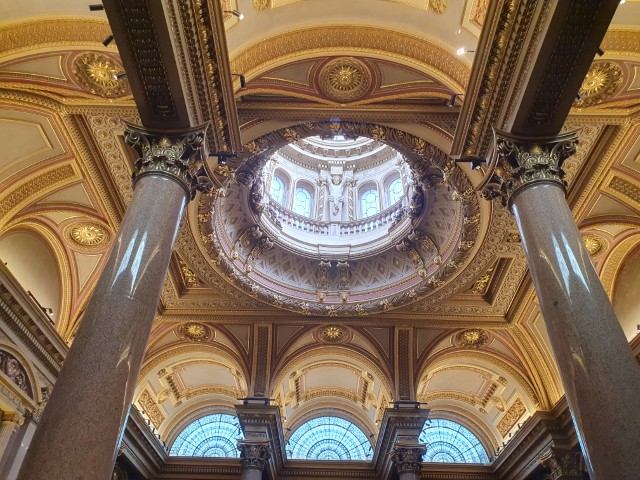
The Fitzwilliam Museum is one of Cambridge’s best-loved institutions.
Step inside and you’ll find an eclectic collection: Egyptian mummies, Greek and Roman antiquities, ceramics, Impressionist and other fine art paintings, plus some contemporary work. There’s something here for pretty much anyone.
What stood out to me was the curation, especially in the themed rooms which were fascinating to explore.
The architecture itself is part of the draw too, with high ceilings and grand staircases, which I enjoyed taking photos of.
You can see the whole museum in about an hour and take a coffee break at the on-site cafe.
Fitzwilliam Museum is free to enter. Check opening hours here.
Cambridge ghost tour
After the museum, walk back to the city centre and grab dinner or drinks before this evening’s entertainment.
The Creepy Cambridge Ghost Walk is a theatrical tour all about the wicked chapters from Cambridge’s past.
It’s eerie but not really scary as the guide uses humour and makes it a fun and engaging tour.
I visited Cambridge in summer, when it gets dark late, so this evening tour actually starts before dark, but it was still spooky.
Day 2: Peaceful countryside and Cambridge colleges
Spending 3 days in Cambridge allows you to see much more than the city centre. You can easily visit the countryside just outside Cambridge.
Visit Grantchester
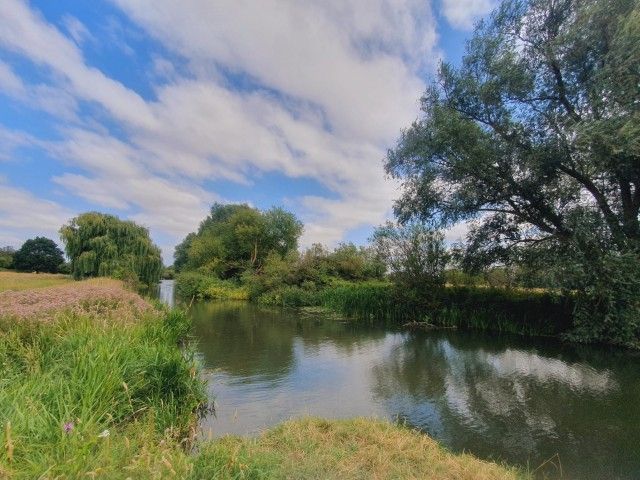
Start your second day in Cambridge with a charming countryside experience.
Grantchester is a lovely little village just outside of Cambridge.
It’s very easy to reach on foot or by bike.
Grantchester is famous for the Orchard Tea Garden where you can have tea and scones beneath the apple trees.
It has a lovely high street with traditional cottages and thatched houses and a historic church with beautiful stained glass.
It’s perfect for a relaxed walk and a change of atmophere.
There are a few pubs in the village where you can have a meal, or get a take away and have your lunch in the meadows by the river on the way back to Cambridge.
To get to Grantchester, you pass through Grantchester Meadows by the River Cam.
Before reaching the meadows, you pass through some of Cambridge’s own urban nature, very close to the city centre.
I was surprised to find so many green spaces within easy reach from the market and the colleges, especially Paradise Local Nature Reserve which was incredibly peaceful.
There are several ways to reach the village, but I opted for the prettiest route, following the river through open meadows.
It was quiet and calm. Along the way, I saw willow trees, ducks, kayaks, and plenty of wide countryside views.
If you’re starting from Cambridge Market Square, here’s a detailed scenic walking route. That’s the route I followed myself.
As an alternative, you can join a group of cyclists and ride along the river together. Bike rental is included. The bike tour takes you to Grantchester and then continues with a social gathering in the village with tea or drinks at the local pubs.
Visit Cambridge colleges
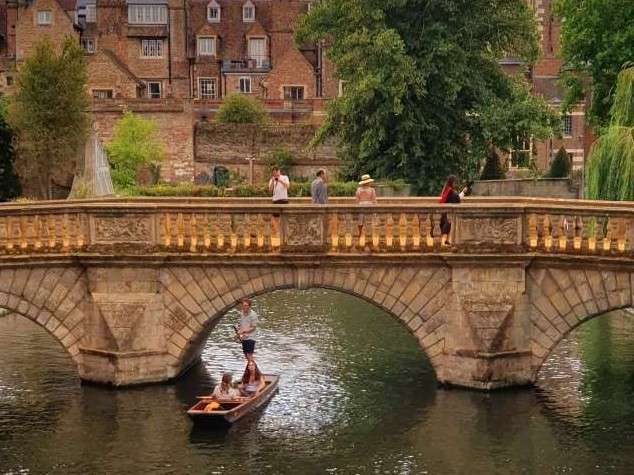
Back in Cambridge after seeing Grantchester, spend the afternoon visiting some the the colleges Cambridge is famous for.
Cambridge has many different colleges, which are not separate universities, but all part of the University of Cambridge.
You can think of them more as self-contained communities within one university, each with its own buildings, dining hall, chapel, and courtyards.
The academic departments and actual classrooms aren’t inside the colleges, but are scattered around the city.
Visiting colleges is one of the main attractions in Cambridge.
What makes them worth visiting isn’t just the wonderful architecture, but also the history, the charming courtyards, the beautiful chapels, and the lovely river views.
Some colleges are open to the public free of charge, while others have admission fees. Opening times vary, so best contact the college itself and find out if it’s open to visitors on the date you’re planning to visit.
You’ll have already seen King’s College on the first day tour, and passed by the colleges in the centre.
What other Cambridge colleges are worth seeing?
Here are some suggestions, you can fit as many as you like into your itinerary:
St John’s College: The famous Cambridge attraction in this college is the Bridge of Sighs, named after the Bridge of Sighs in Venice, although they’re quite different.
You can only see it when you enter this college, or when you go punting (I’ve left that for day 3 of the itinerary). You can’t see it from the public streets in the city centre.
There’s another bridge inside this college, Wren Bridge, from which you can take perfect photos of the Bridge of Sighs. I had to wait quite a while for an opportunity to take a good shot, because there were a lot of other people, including recent graduates in their academical dress, having their photo taken with the Bridge of Sighs in the background.
This college charges an admission fee, but if you know anyone who’s a student at Cambridge they can let you in as their guests.
It’s a large college with some atmospheric architecture and many green spaces that I found very peaceful. You can sit by the river and watch the punts passing by, it’s so picturesque.
Jesus College: This one is special for featuring public art. I enjoyed following the sculpture trail around its grounds. This college is free to enter. While you’re there, check if the Painted Church across the street is open. It’s worth going inside to see the beautiful walls painted in the Arts and Crafts style.
Downing College and Emmanuel College: Two separate colleges very close to each other, so you can visit them together. Both colleges are free to enter.
Emmanuel College is one of Cambridge’s historic colleges, with a lovely mix of old buildings and peaceful green spaces. I wandered around and came across the chapel, which was small but beautiful.
The college has also had some well-known names among its students, including John Harvard, the founder of Harvard University, and Charles Darwin.
Downing College is only a couple of minutes away. It has some interesting architecture. The main buildings look surprisingly Greek.
I later discovered that the architect, William Wilkins, had been on a Grand Tour that included Greece, where he became fascinated by ancient Greek architecture.
Before leaving Downing College, you’ll also spot a small contemporary art gallery on your right, the Heong Gallery, which is well worth a visit.
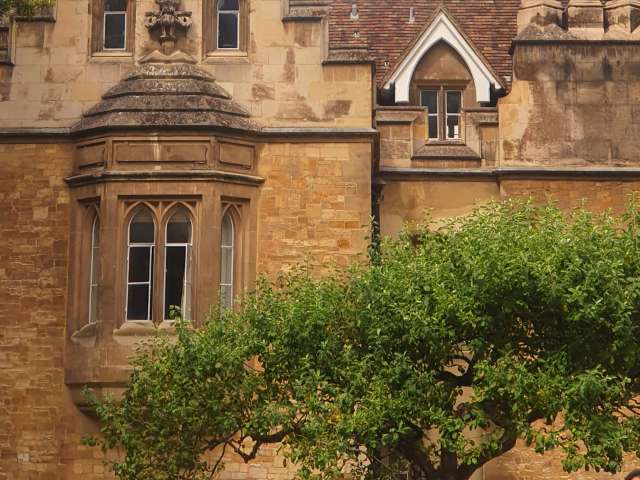
Trinity College: This college is famous for the Newton tree, which you can see right outside the building. It may look like an ordinary tree, until you notice the people taking selfies holding an apple in front of that tree…
Isaac Newton was a Trinity College graduate and the tree you can now see is an offshoot of the original.
You can visit inside the college for a fee, but visiting times are limited, so do check before you go.
Evening entertainment in Cambridge
When you walk around Cambridge you’ll soon notice that just about every fence has been repurposed as a notice board.
There are plenty of cultural events in the city. Concerts, theatre, comedy, and so on.
Cambridge has some great venues for evening entertainment, including Cambridge Arts Theatre, ADC Theatre, Cambridge Junction, and The Corn Exchange.
Check if there’s anything that you’d like to see on the dates of your visit.
As an alternative, Cambridge University runs talks and lecture by world-class thinkers that are open to the general public.
Check if there’s a public lecture you can attend on the dates of your trip.
Day 3: Unique Cambridge museums and relaxed punting
On your third day in Cambridge, start with two unique museums, located right next to each other in the city centre.
You can easily visit both in a couple of hours.
The Museum of Cambridge
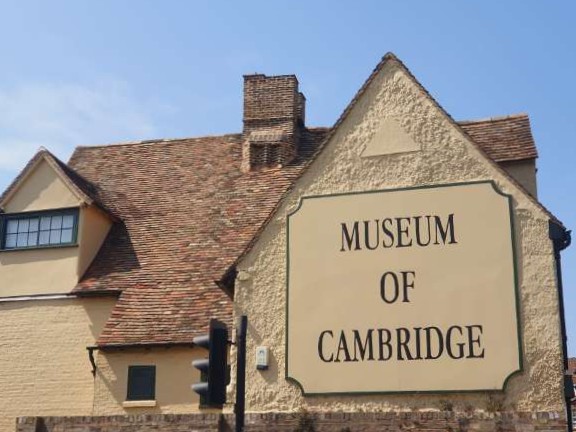
The White Horse Inn was a 17th century pub transformed by local residents into the Museum of Cambridge, the city’s history and folk museum.
When you enter the building it still feels historic.
I enjoyed browsing the collection of everyday objects of Cambridge residents.
You walk from one room to the next in the pub, where you can really imagine what life was like hundreds of years ago. Then you go upstairs (there’s also a lift) to see the rooms of the inn and more historical objects, like costumes, old toys, household items, and vintage signs.
It’s a small museum with friendly staff, who were happy to chat about the exhibitions.
I also like the gift shop that had some original gifts by local Cambridge artists.
Kettle’s Yard
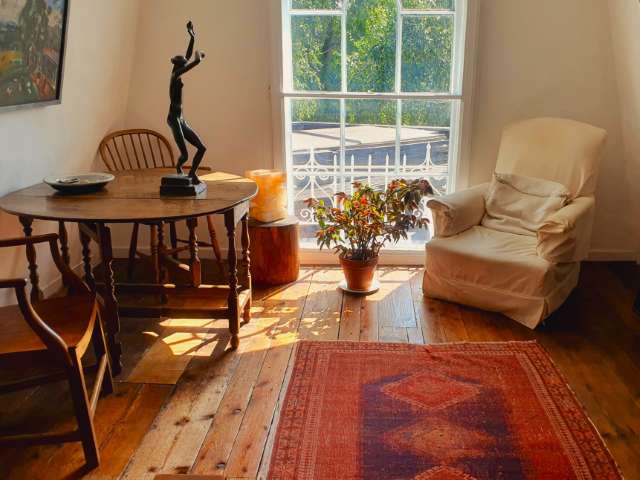
This museum offered a rather unusual experience, especially since it doesn’t really feel like a museum at all, but more like visiting somebody’s house.
In fact, you will be visiting somebody’s house. An art collector called Jim Ede, who lived in this house with his wife Helen, and filled it with very eclectic art and decorative items.
They handed the house and the art collection over to Cambridge University, which turned it into a museum that’s open to the public.
It’s worth visiting for the art itself, but also for the atmosphere, which felt calm and sometimes even dreamy.
There are guides on every floor of the house to share information and answer questions.
Right after you enter there’s an introductory talk by one of the guides. She put things in context and also gave us some hints for our visit, because there are so many small details to notice around the house.
I enjoyed paying attention to all those small artistic details.
When you arrive, buy a ticket with a time slot and check your bags at the ticket desk (make sure you have enough room in your pockets for your phone and wallet as no bags are allowed inside).
I also enjoyed browsing the gift shop, it had a similar charm to that of the house.
Right next to this house-museum (in the same building), there’s a modern art gallery with rotating exhibitions worth seeing as well. This one is free to enter.
The Garden Kitchen is the on-site restaurant. It’s very friendly and has outdoor seating. You can have your lunch here, or just take a coffee break and have your lunch later in the city centre.
Punting
End your three days in Cambridge with a local highlight: punting.
By now, you’ll have seen the wooden boats on the River Cam and you’ll have heard about punting on your guided walking tour.
Cambridge is famous for punting and it’s a popular activity because it’s relaxing and lets you see the city from the river, with beautiful views you cannot see from the streets.
You can go punting either with a guide or by hiring a boat and steering it yourself.
On a short trip to Cambridge, I recommend you go punting with an experienced guide who knows how to steer the boat.
If you have no experience, it can be tricky to learn how to do it yourself. I’m saying that after seeing way too many punts bumping into each other on the river… it didn’t seem like the relaxing experience it should have been.
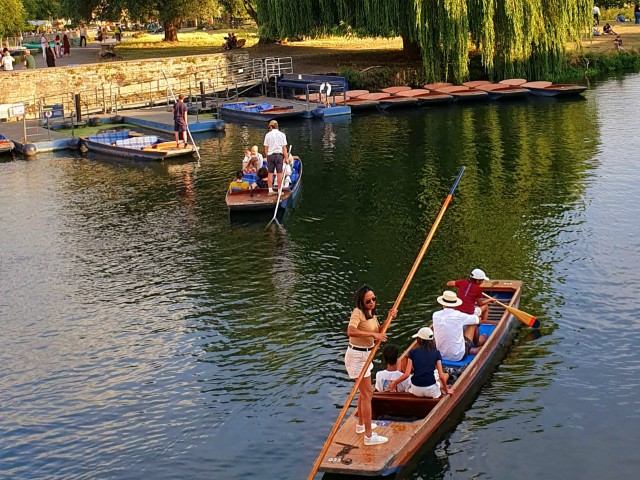
You can either joined a shared punt or book a punt just for yourself. Either way, book ahead if you’re going to Cambridge on a weekend or in summer, because prices can go up if you book at the last minute.
A shared punting tour: Join a punting tour with other people and a guide who tells you about the city as you glide along the river.
A private punting tour: Get a punt with a guide just for yourself. It’s a good idea for couples who want a more romantic experience, or for families or groups of friends.
How to get to Cambridge
Getting to Cambridge from London
Taking the train from London to Cambridge is fast and easy.
King Cross Station to Cambridge: 50 minutes on the fastest direct train.
Liverpool Street Station to Cambridge: 1 hour and 15 minutes.
You can also travel to Cambridge from London by bus.
Given how close it is to London, you can also visit Cambridge on a day trip from London. Obviously, you can see much more in 2 or 3 days in Cambridge, but you can also experience quite a lot in one day.
Getting to Cambridge from other UK cities
You can take a direct train to Cambridge from other cities, including Birmingham, Brighton, Ipswich, Leicester, and Norwich.
Getting to Cambridge from other countries
The nearest airport to Cambridge is London Stansted Airport, about 35 minutes by train.
Save this travel guide to 3 days in Cambridge on Pinterest